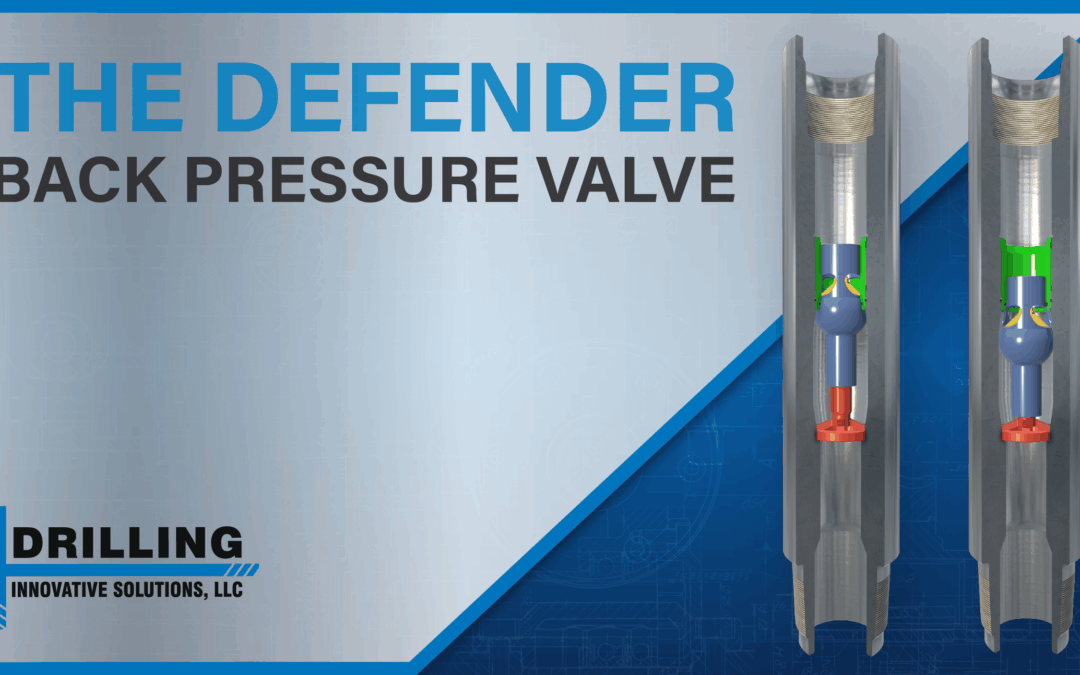
With the recent release of the revolutionary new Back Pressure Valve (BPV), The Defender, a new standard has been set for BPVs across the oil and gas drilling industry—but what exactly is a Back Pressure Valve?
What is a Back Pressure Valve (BPV)?
To put it simply, a Back Pressure Valve is a device used to regulate pressure during drilling operations, which can be substantial. BPVs are a vital component in managing the upstream pressure that occurs throughout the drilling process. By controlling the upstream pressure, operations can ensure that the catastrophic results of excessive pressure are avoided. Naturally, ensuring the valve’s integrity and that the sealing surface remains free of debris is crucial to a safe operation.
Oil and Gas Applications
During drilling operations, Back Pressure Valves prevent fluids and pressure form the annulus of the wellbore from entering the drill string. By default, during drilling operations, a BPV remains closed as a result of force that’s being applied to the sealing element-usually through a spring, hydraulic pressure or pneumatic pressure. This force prevents the valve from opening unless the pressure rises on the inlet port. As a result, fluid pressure within the system is regulated, preventing the unplanned release of fluids or pressure.
Historically, BPVs have had limited lifespans during drilling operations due to the erosion of the sealing surface. While debris removal and wellbore cleaning are essential parts of the drilling process, the abrasive nature of the wellbore cuttings and the high flow rates needed have been detrimental to the lifespan of typical BPVs. BPVs are essential in helping mitigate well control issues by preventing excess pressure and fluids from entering the drill string.
Other BPV Applications
Back Pressure Valves are employed in a wide variety of industries outside of oil and gas drilling, as well. Compressor stations, for example, use back pressure valves to control air and gas pressure for the sake of safety during the use of industrial compressors. Gas gathering systems also use BPVs to manage and maintain the required gas pressures for their operations. Pump control applications also employ the use of BPVs in a similar manner to oil drilling, maintaining an effective and controlled flow and avoiding equipment malfunctions that come about as a result of inconsistent pressure.
What Sets The Defender BPV Apart?
A big advantage the Defender BPV has over its traditional counterparts is the protected sealing surface. While the limited seal lifespan of other Back Pressure Valves cost operators time and money, the Defender’s elastomeric-to-metal makes such frequent service a thing of the past. It also enables the BPV to have a much longer life, resulting in long term savings on tool replacement as well. Tests and real-world applications alike have shown that the Defender seals consistently after prolonged use as a result of the protection from erosion.
Another big advantage is the diameter of the Defender. The Defender’s compact size means that larger pipe diameters required for other BPVs are no longer necessary. Instead, the Defender can fit inside of a more compact drill pipe, improving integrity significantly and making the tool safer as well as more efficient.
Finally, the Defender has an increased flow area, which allows for drastically improved wellbore cleaning. This means reduced circulating times and, as a result, quicker and more cost-effective operations overall.
If you’re interested in learning more about the Defender, its specifications, and its development, you can read more about it in our introductory blog. Don’t hesitate to reach out if you want to know more about the Defender, our other downhole tools, and how they can help save you time and money on your next operation.
